Devon's calendar fills up quickly. A charity quiz in Totnes, a village fete outside South Molton, a repair café opening its doors in Exeter: the events that make a town feel alive rarely announce themselves. Someone has to send them in. If that someone is you, here is the whole process, from what to gather before you start to the deadlines that decide whether your listing makes this week's round-up.
Gather the Details First
The most common reason a listing runs late is a submission that arrives half-finished. We cannot publish a venue we cannot find, or a start time listed as "evening". Before you open the form, have these in front of you.
- The event name as you would say it out loud, not the internal title your committee uses.
- Date, start time and finish time. If it runs across a weekend, list each day.
- Venue name, street address and postcode. If it is outdoors, give the nearest landmark.
- Cost, or the word "free", plus whether tickets are needed and where people get them.
- Two or three sentences explaining what actually happens. "Live music, a bar and a raffle" tells a reader more than "a fantastic evening of entertainment".
- A public contact, such as an email address or phone number you are happy to see printed.
- Practical detail: parking, step-free access, whether dogs or children are welcome.
For recurring events, give the first and last date rather than assuming the pattern is obvious. "Every second Tuesday, March to October" is clear. "Monthly" is not.
Deadlines: The Rhythm of the Week
Community listings are compiled in a weekly cycle, and the cut-off stays the same: 5pm on the Thursday before the edition you want to appear in. Anything landing after that goes into the following week's queue. If your event is on a Saturday, that means sending it at least nine days ahead; if it is on a Monday, send it a fortnight early.
Larger events need more room. Festivals, agricultural shows and charity dinners benefit from four to six weeks' notice, which gives us time to consider a preview piece alongside the basic listing. Annual events are worth a diary note twelve months out. The organisers who get consistent coverage tend to plan publicity the same way they plan the event itself.
Two habits cause trouble. The first is resubmitting an event because the date changed. Send a short email instead, quoting the original title, and we will amend the entry rather than publish a duplicate. The second is sending the same listing three times to be safe. Duplicates get deleted, and the version that survives is not always the tidiest one.
Photos: What Prints Well
A good photograph roughly doubles the attention a listing receives, so it is worth ten minutes of effort.
- Send a JPEG, landscape orientation, at least 1200 pixels wide. Phone photos are fine, but do not crop them square first.
- Name the file something useful: barnstaple-autumn-fete.jpg, not IMG_4471.jpg.
- Send the original file. A screenshot of a photo, or one forwarded through three messaging apps, will arrive soft and pixelated.
- Include a caption naming the event, the place and the photographer.
- Check you have permission from anyone recognisable, and from a parent or guardian for anyone under eighteen.
- Three images is plenty. One is often better.
If all you have is a poster, send it, but send it as a clean JPEG or PDF and retype the details into the description field. Posters rarely read well at the width of a phone screen, and we would rather lift accurate text than squint at a design.
Contact Details: One Public, One Private
Give us two sets of details and keep them separate. The public contact is printed with the listing, so use a role address such as [email protected] or a number that someone actually answers. The private contact, usually the organiser's mobile, is used only to check facts before publication. It does not appear anywhere on the site.
If you are submitting on behalf of a committee, say who you are and what your role is. "Treasurer, Hartland Village Hall committee" tells us instantly who to call if a detail looks wrong. If you would rather not be contacted, name someone who will be.
Filling In the Online Form
The form is short, but a few fields trip people up. Work through it in this order.
- Category. Pick the closest match: community, charity, family, music, sport. If two fit, choose the one a reader would search for.
- Title. Keep it under about sixty characters and lead with the event, not the organisation. "Cream Tea and Brass Band, Chagford" beats "Chagford Community Trust Annual Fundraiser".
- Date and time. Use the repeating option for anything running more than three consecutive days instead of entering each day by hand.
- Venue. Start typing the postcode and pick from the list that appears, which keeps the location pin accurate.
- Description. Two or three short paragraphs. The first sentence should say what the event is and who it is for; the last should carry tickets, parking and accessibility.
- Booking. State clearly whether people can turn up on the door or need to book ahead, and how.
- Public contact. The details you are happy to see published.
- Photo. Upload the file, then add the caption in the box beneath it.
- Anything else? Age limits, dog policy, whether the site is step-free.
One practical tip: the form times out after a while, so write your description in a separate document first and paste it in. If a field refuses to accept what you have typed, it is usually a character limit rather than a fault. Trim the text and try again rather than refreshing the page and losing everything above it.
What Happens After You Press Submit
An automatic confirmation arrives within a few minutes. If it does not, check your spam folder before resubmitting.
Every listing is read by a person, and that means small edits: dates reformatted, sentences trimmed, a vague venue tightened up. It also means we will email you if something does not add up, whether that is a start time that clashes with the venue's usual closing hour or a postcode that puts the hall in the middle of a field. Answer quickly and the listing stays on schedule.
Allow two working days before chasing. If your event is cancelled or moved, tell us as soon as you know, with the event title and date in the subject line. A listing that stays up after a cancellation sends people to a locked door, which is worse for your group than no listing at all.
One Last Look Before You Send
Read your description as a stranger would. Does it say where to go, when to arrive, what it costs and who to ask? Is the contact detail one you would answer yourself? Have you attached the photo rather than just naming it?
Get those right and your event stands a fair chance of being seen by people already looking for something to do this weekend. Send it early, keep the details accurate, and update us the moment anything changes.
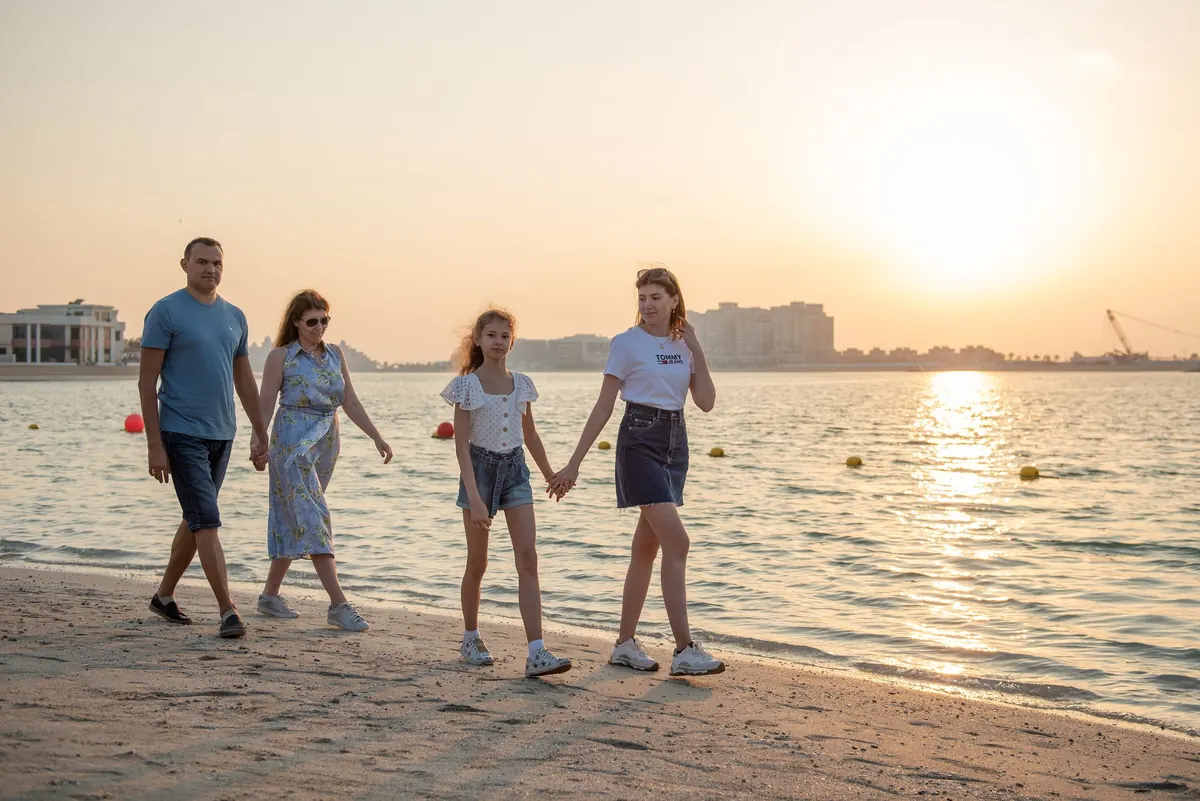
Photo: Liudmyla Shalimova / Pexels