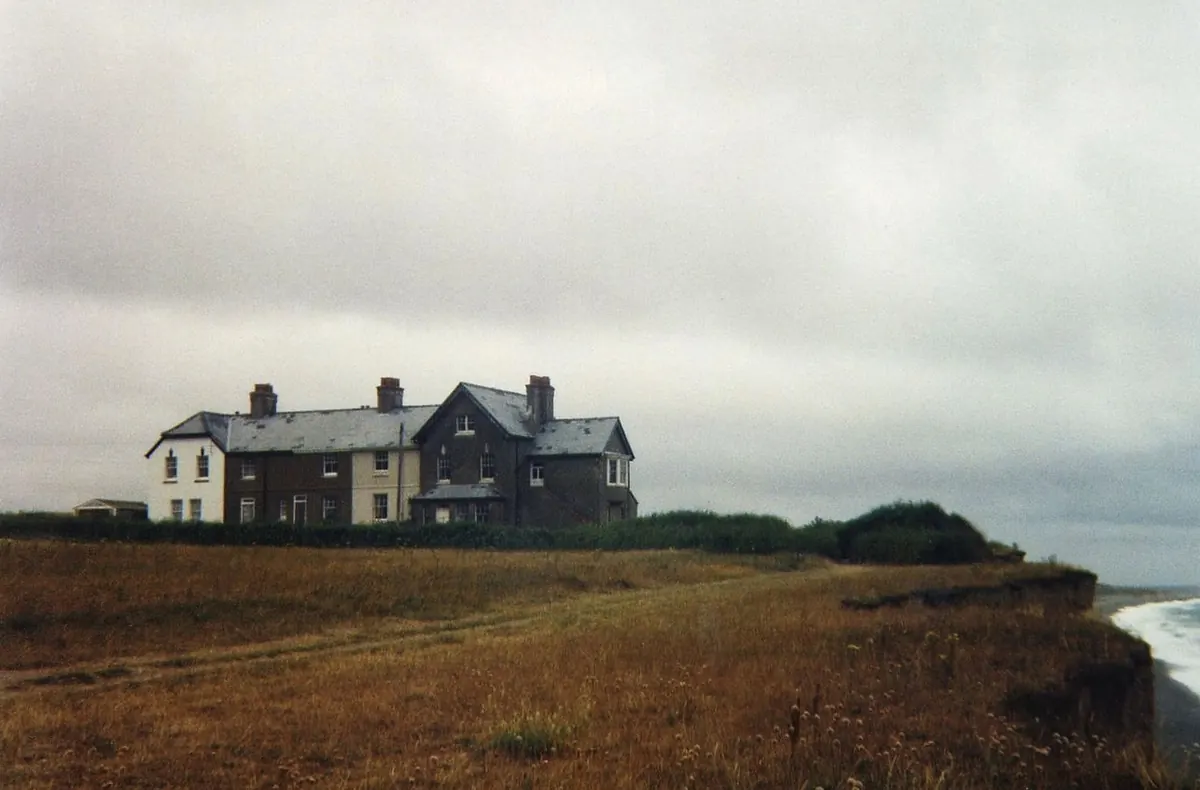
Devon winters are not subtle. Rain comes in off the Atlantic in bands, rivers on Dartmoor and Exmoor rise fast, and the coast can take wind and high tide at the same time. Most of the damage isn't dramatic — it's a blocked gully that soaks a wall, a shed roof that lifts, a carpet that ends up in a skip. An afternoon on the jobs below won't stop the weather, but it gives you a far better chance of coming through it with the house intact and any claim straightforward.
Start with gutters, gullies and where the water actually goes
Begin at the top. Clear leaves and moss from gutters and check that downpipes run freely. A blocked downpipe sends water down the face of the wall, into the cavity and eventually through a ceiling. If the roof is steep, the ladder is wobbly, or you simply don't fancy it, pay someone — and never work at height in gusty conditions.
Then look at ground level. Gullies and drain covers on drives and paths silt up quietly over summer. Older Devon properties often have soakaways and French drains that have been quietly choking on leaf mould for years. Clear what you can reach and make a note of anywhere water pools.
The best survey you'll ever do is a wet evening with a torch and a waterproof coat. Watch where the water goes when it's really coming down: which way it runs across the yard, whether it backs up at the door, whether the ditch beyond the hedge is coping. That tells you more than any inspection.
If a stream, brook or leat runs through or alongside your land, you are usually what's known as the riparian owner, which means keeping the channel clear is down to you. Don't tip grass cuttings or hedge trimmings into it — that's how blockages start upstream of your own bridge.
Road drains are a different matter. Report blocked gullies on the highway to Devon County Council; they can't clear what nobody tells them about.
Insurance: read the small print before the first named storm
Two things matter when you claim: what's covered and what you pay before the insurer does anything. Dig the policy out now, while you're not standing in wet socks.
- Is flood damage explicitly included, and is there a separate flood excess? It can be much higher than your standard one.
- Do outbuildings, garden walls, fences, gates, driveways and oil tanks come under buildings cover?
- If the house becomes uninhabitable, is alternative accommodation covered, and for how long?
- Are high-value items kept in a cellar, garage or garden room listed on the policy?
- Is your rebuild cost figure up to date? Under-insuring can reduce what you receive.
If your home is in a flood-risk area and cover has been hard to find, it's worth asking your insurer or broker about Flood Re, the scheme set up to help eligible households get affordable flood insurance. Eligibility rules apply, so get advice specific to your property rather than assuming. Money and legal matters are best confirmed with a professional.
Then do the boring, useful bit: photograph every room, keep receipts for anything valuable, and store copies of documents somewhere waterproof — and somewhere online, so a soggy folder doesn't matter.
An emergency kit that works in the dark
Rural power cuts in Devon can run for days, and mobile signal often goes with them. Build one box or cupboard and keep it somewhere you can reach without wading through a flooded hallway.
- Torches and spare batteries — head torches leave your hands free
- A battery or wind-up radio for local updates
- A charged power bank and charging cables
- Bottled water and non-perishable food, plus a manual can opener
- Prescription medicines and a written list of what you take
- A first aid kit
- Copies of insurance documents and key contacts in a sealed plastic wallet
- Wellington boots, waterproofs, warm layers and gloves
- Pet food, leads and a carrier
- Some cash in small notes — card machines don't work without power
Check it once a year, in autumn, and replace anything that's been borrowed.
Coastal properties: tides, surges and sandbags
On the coast, the forecast alone won't tell you much. A high tide arriving with low pressure and a strong onshore wind is what pushes water over the sea wall. Get into the habit of checking tide times as well as the weather, and move cars to higher ground before an evening of gales rather than during it.
Where to get sandbags
This is the bit people leave until too late. Sandbag policy varies across the county. Some district councils issue them during an emergency, some hold stock at depots, and some simply advise residents to make their own arrangements. Parish councils and community flood groups often keep a store in a village hall or garage, and those stocks go fast.
Find out now. Ring your district council or parish clerk, ask where the nearest collection point is, what time it opens and whether you need to fill the bags yourself. Write the answer on a card and stick it on the fridge. Ten minutes on the phone in October beats an hour in the rain in December.
Be realistic about what sandbags do. They are a delaying tactic, not a wall. If your property floods regularly, look at proper flood barriers for doorways, air brick covers, non-return valves on drains, and consider whether the cost is worth it — some measures can help with insurance too.
Rural and inland properties: access, water and fuel
Long tracks, private water supplies and septic tanks all need a thought before winter. If your track floods, you may be cut off for a while, so keep a few days of essentials in the house rather than relying on a quick run to town.
Oil tanks are worth a proper look. An unsecured tank can float and tip in flood water, which is expensive and unpleasant. Make sure yours is anchored or bunded, and that the gauge and filler are sound. If you keep livestock, have a plan for moving them to higher ground and somewhere to put them if the yard floods.
And a straight one: don't drive through flood water. You can't judge the depth, and you certainly can't see whether the road underneath has been washed away.
Warnings worth signing up to
The Environment Agency's flood warning service is free and sends messages by phone, text or email for the area you choose. You can pick the level of warning you want, so you're not woken at 3am for a minor alert. Met Office warnings for wind and rain are equally useful, and many towns and villages now run their own flood groups that share updates far faster than any official channel.
Keep a short list of numbers somewhere visible:
- 105 — power cuts and damaged cables
- 999 — anything life-threatening
- Your district council — sandbags and local flooding
- Devon County Council — flooded roads and blocked highway drains
- Your water company — sewer flooding
Don't ring 999 about a blocked drain. Do ring it if water is rising fast and someone is at risk.
A weekend well spent
Work through it in order: gutters and drains first, because they're the cheapest fix and the most common cause of damage. Then insurance, then the kit, then the phone calls about sandbags. Two or three hours, a pair of gloves and a torch, and you'll know exactly what you'd do if the water started coming in — which is most of the battle.
Photo: Suzy Hazelwood / Pexels