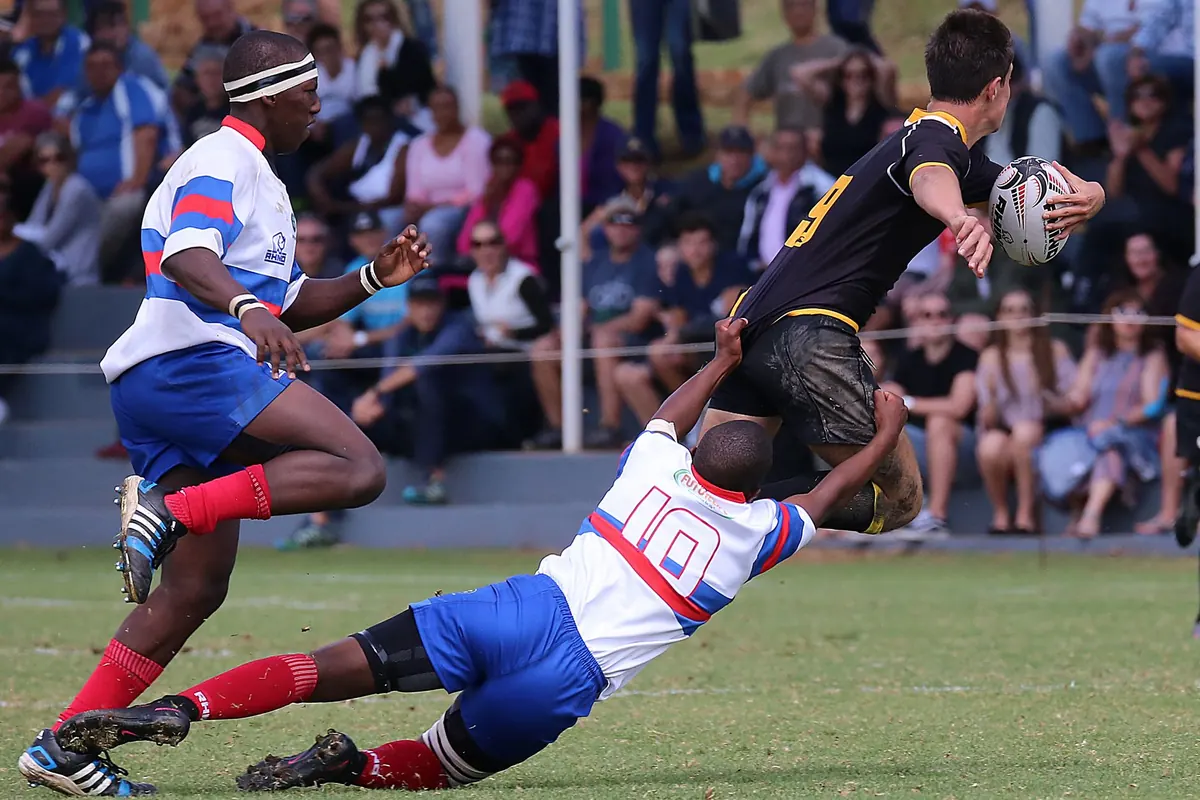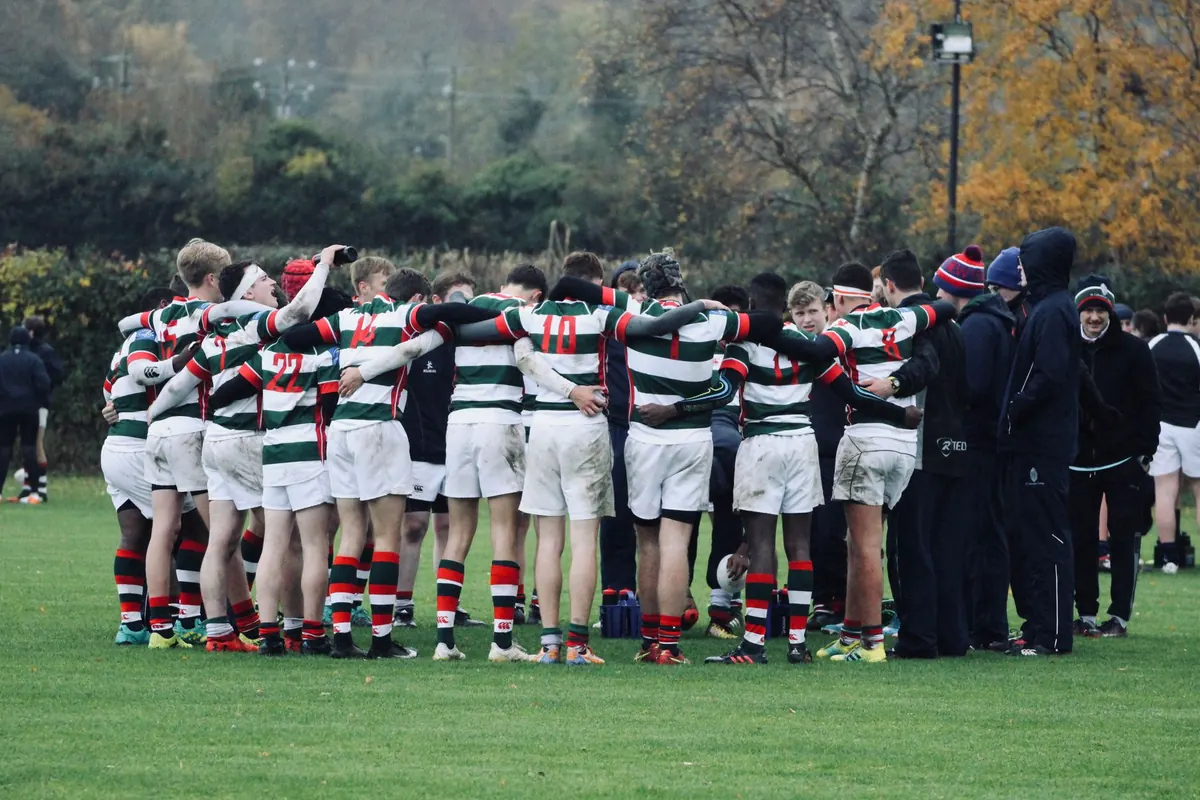
Saturday, a 4–1 win, a photo of the under-13s grinning through the rain — and by Monday, nothing in print. It is almost never because nobody cared. It is because the report arrived on Wednesday, the image was a screenshot of a screenshot, or the score was buried in a message with four others. The fix is small, and it is mostly about routine.
Here is what works, week in and week out, for clubs from Exeter and Barnstaple down to the smaller village sides in between.
Start with the four things a sports desk can always use
There is no shortage of room for local sport in Devon. There is a shortage of usable material arriving on time. Nearly everything you read in a weekly round-up starts life as one of four things:
- Match reports — a few honest paragraphs on who played, what happened and how it finished.
- Results — the score, the competition, the opposition and the scorers.
- Fixtures — the coming week's games, with times and venues.
- Team photos — action or celebration shots with a proper caption.
You do not need all four every week. You need whichever ones you have, sent on time, in a format someone can drop straight onto a page.
Deadlines decide more than writing quality
Round-ups are built in a fixed order: results first, then reports, then the fixtures list. Once those pages are laid out, a late score is not this week's news — it is next week's, and by then it is history. A beautifully written report that lands on Wednesday afternoon will lose to a scrappy three-line email that landed on Sunday night.
What to send, and when
- Weekend results: the same evening, or Sunday morning at the latest.
- Match reports: Sunday evening or Monday morning.
- Midweek fixtures and results: the same night if you can manage it.
- Coming fixtures: by Thursday, so they can be checked and set.
- Photos: with the report, not in a follow-up email two days later.
If you are running behind, send the score and the scorers first. A two-line result always beats a lovely report that turns up after the page has gone.
How to write a match report that runs as it stands
The reports that get used read like short dispatches, not essays. Get the basics in the first line and the rest follows easily.
- Lead with the result and the competition: "A late try gave the second XV a 21–17 win at home in the league on Saturday."
- Say who played whom, and where, early. Do not make a reader hunt for it.
- Pick three or four moments that shaped the game, in order. A try, a turning point, a save, a substitution that changed things.
- Name the scorers in full — first name and surname, spelled as the player spells it.
- Finish with the next fixture if there is one. It gives the piece somewhere to go.
One short quote from the coach lifts a report more than anything else. Two sentences is plenty: what pleased you, what needs work. Keep it plain and give the speaker's name and role.
What to leave out: the paragraph listing every player's performance, the phrase "a game of two halves", and anything about the referee. Keep the tone level whether you won 6–0 or lost by a goal. Reports that read as honest get printed more often than reports that read as a press release.
Fixtures and results: the easy half of the job
These need no writing skill at all, which is why it is frustrating when they arrive as a photo of a whiteboard or a spreadsheet attached to an email. Put them in the body of the message, one line per game, in a consistent order.
Sat 12 Oct — Under-13s (H) v [Opponent], Devon youth league, 10.30am
Sat 12 Oct — First XV (A) v [Opponent], league, 2.30pm
Sun 13 Oct — Ladies (H) v [Opponent], cup, 1pm
Three habits save everyone time: use the same team names all season, include the venue when it is not your usual ground, and write times the same way throughout. If a match is postponed or moved, a one-line correction is genuinely useful and always welcome.
Photos: the difference between printed and binned
A decent photo with a clear caption will make the page. A blurry one, or one nobody can identify, will not.
- Shoot landscape, not portrait. Portrait shots are awkward to place.
- Send a normal-sized JPEG, not a 15MB original and not a compressed thumbnail.
- Action, celebration or a huddle beats a line of players with their backs to the camera.
- Write a caption naming people left to right, plus the competition and the date.
- Avoid screenshots, filters and heavy cropping. Sharp and slightly dull is fine.
On young players: every club has a photography consent process, and it exists for good reason. Follow it, check with parents or guardians where required, and if a child is not cleared, do not send the picture. If you are unsure, ask your club welfare officer before the email goes out, not after.
A one-minute checklist before you hit send
- Is the score and competition in the subject line?
- Is the report in the body of the email rather than an attachment?
- Are all names spelled correctly, including the opposition?
- Is the photo attached as a JPEG, with a caption underneath the report?
- Have you added a contact name and number in case of queries?
- Is it going out before the deadline, not after?
Make it a weekly habit
The clubs that get covered most are rarely the ones with the best writers. They are the ones that send something every week, from the same address, in the same shape. Give one volunteer the job of pulling the report, the score and the photo together on Sunday evening, and keep a template with your club name, league and contact details already filled in.
It is worth being a familiar name, too. A club that sends results reliably is the one staff think of first when they need a comment, a preview or a photo for a bigger piece. If something does not appear one week — a postponement, a late finish, a busy news day — send it anyway next week. Consistency is what gets a club into the round-up season after season.
Photo: Julius Holstein / Pexels